Fleece is a popular and versatile synthetic fabric with a soft and cosy feel that makes the perfect solution for winter garments. It is made using polyester and because of its look and feel, fleece is prevalent in many areas of fashion, from adult clothing to baby clothing. It is also widely used in home furnishings, pet care and is a popular mainstay of the winter essential – the onesie! The fact that it can also be made from recycled plastic gives it an edge for the eco-conscious movement. Of course, manufacturing from recycled materials also makes it inexpensive.

What is fleece material?
Fleece has been in use since the 1970s and was developed by a company called Malden Mills, which created the first polyester fleece. Malden Mills originally made various garments from wool and fake fur. They wanted to try and create the same properties of warmth and insulation but without the main drawback of these fabrics. The problem with wool is that when it gets wet, it becomes cumbersome. You also need to be able to source the sheep and process the raw fleeces before you have the base material. So, they started working with Patagonia, a company famous for its rugged outdoor wear.
Together they came up with a fabric with the same look, feel and pile of natural wool. Although this was an absolute revelation for the textile industry, the Malden Mills owner, Aaron Feuerstein, chose not to patent its new product. Instead, he generously left it open to be copied and mass-produced. This became the template for every other company to bring their style and stamp to other fleece materials.
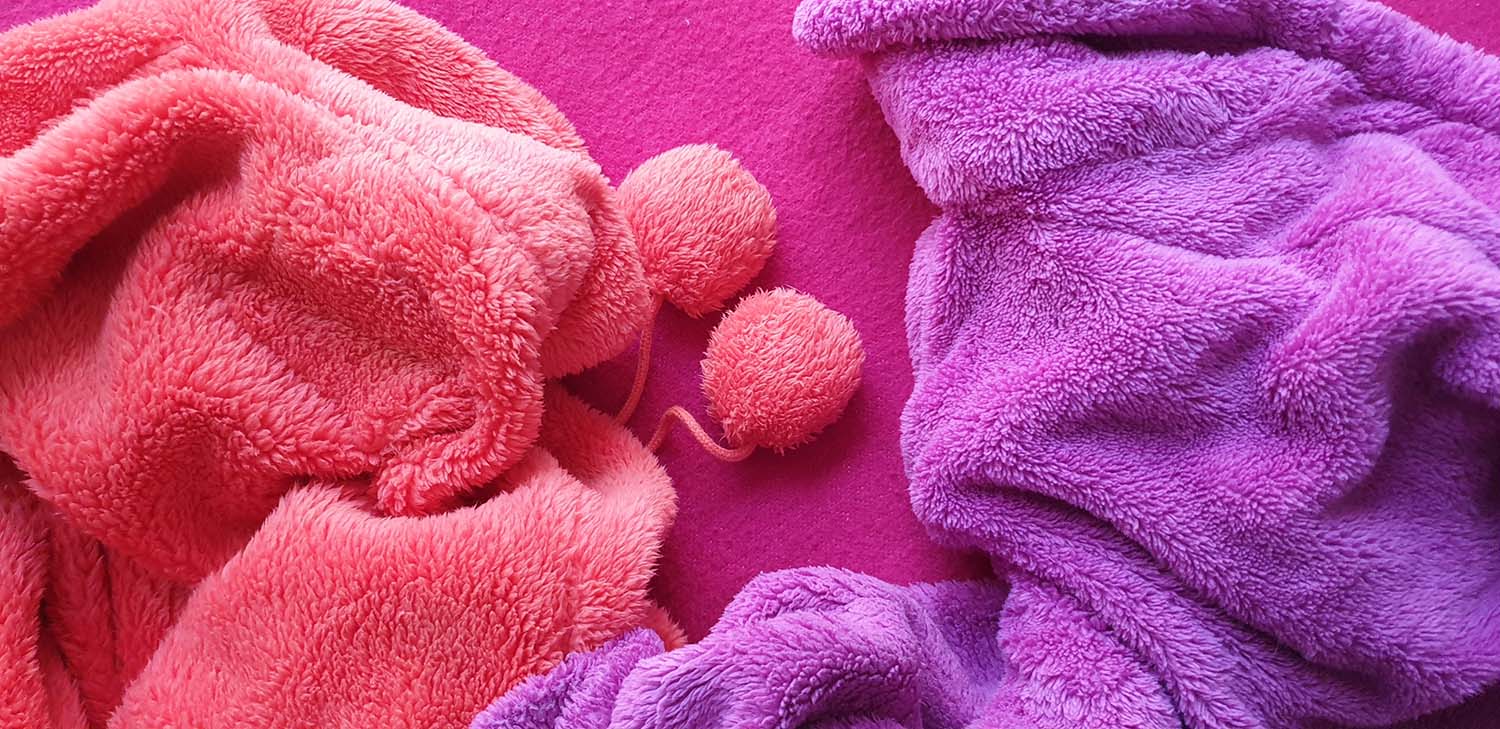
Properties of fleece
Although synthetic materials are not always considered the best eco-conscious choice compared to natural fabrics. Fleece does have some distinct advantages over more traditional materials like cotton and wool, which is why it has become so popular. While it isn’t classed as waterproof, it is undoubtedly water-resistant. This means it dries faster after washing than some other materials and offers some protection if you get caught in a shower.
Fleece also allows the skin underneath to breathe, but at the same time, it is warm, making it an excellent choice for coats, jumpers and other outdoor wear. In addition, you won’t need to worry about ironing fleece, as it does not wrinkle. You can also pop it in the washing machine and tumble drier, although it’s often better to air-dry it.

How to care for fleece material
Caring for fleece is pretty straightforward, which is perfect for busy lifestyles. Machine washing, as mentioned above, is perfectly acceptable because it doesn’t tend to shrink. However, if you have fleece blended with other materials, you need to check the washing instructions. It is fine to use fabric softener, but be sure to turn the garment inside out before popping it in the washer as this helps protect against pilling. If any pilling were to occur, it would then be on the inside of the fabric, meaning it won’t be visible when worn.
If you have the space, it is always preferable to line dry any items, including fleece. Still, a tumble drier is fine to use if that is not practical. You won’t have to iron any fleece items, so once the drier has finished, just pop them in the airing cupboard or wardrobe until you need them again.
Is fleece better than wool?
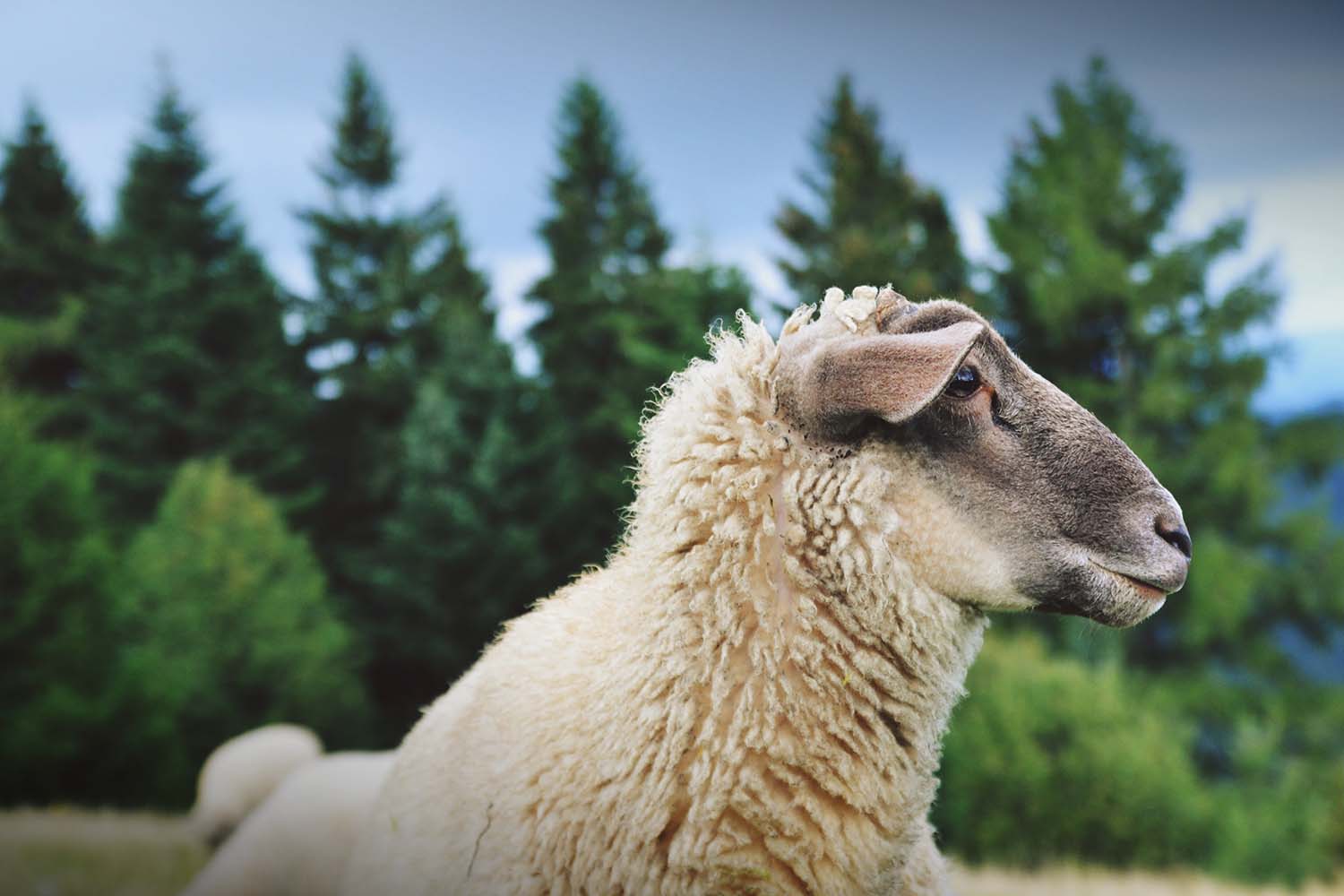
There are numerous advantages of fleece when compared to wool. It is less bulky and is much softer. Wool can cause itching in some people, but this tends not to be a problem when wearing polyester fleece. Fleece offers water resistance. However, it doesn’t work well as a layer of insulation in heavy rain.
Wool is designed to keep animals dry and still has an insulating effect when wet. But as Malden Mills advocated, it does get very heavy when wet making it less appealing for outdoor clothing.
Both materials are breathable, but wool wins the natural vote because it is a more sustainable option. Fleece can only compete on this point when it is manufactured with recycled plastics. However, this could give it the edge in the current climate as plastic waste is one of the most significant issues we face globally.
Overall, there is no denying that fleece has the advantage because it is softer and lighter. Plus, it offers the same benefits when it comes to comfort and warmth. So, why not check out our range of fleece fabrics perfect for all types of sewing projects.